What Firewood Is Best for Burning In Your Fireplace?
From our experience, Oak and Hickory are the best firewood choices for a long-lasting, efficient burn in your fireplace. But every home and fire is different—read our guide below to see which firewood is best for your needs! 🔥
Tyler M
9 min read
Last Updated:
February 14, 2025
From our experience, Oak and Hickory are the best firewood choices for a long-lasting, efficient burn in your fireplace. But every home and fire is different—read our guide below to see which firewood is best for your needs! 🔥
Choosing the right firewood can make a significant difference in how efficiently it burns and how much heat it generates. Many people wonder, "What firewood is best for burning in a fireplace?" Understanding factors like wood type, moisture content, and heat output is crucial for maximizing warmth and minimizing smoke and odor. This article will cover what makes firewood efficient, examine key burn characteristics, and highlight top choices like hickory for good heat. By reading on, readers will learn how to select and store firewood properly, ultimately improving their burning experience.
What Firewood Is Best for Efficient Burning?
Locust wood is known for its efficient burning properties. This hardwood produces a high heat output while generating less smoke, making it ideal for both indoor and outdoor fires. Its natural density means it burns longer, reducing the frequency of firewood replacement.
When selecting firewood, one should consider the presence of insects within the logs. Wood that is infested can lead to wood-boring insects in the home, particularly if the wood is stored indoors. It is wise to check for any signs of infestation to maintain a safe and efficient chimney.
Proper maintenance of the chimney is essential for efficient burning. Regular chimney sweeps ensure that creosote buildup is minimized, promoting better airflow when burning wood. This practice not only enhances burning efficiency but also reduces the risk of chimney fires, ensuring a safe environment when using firewood in your fireplace.
What Makes Firewood Efficient?
Efficient burning of firewood hinges on several key factors. Understanding moisture content is crucial, as high moisture levels can produce excess soot and reduce heat output. Additionally, the size and density of the wood significantly influence burning efficiency. Proper seasoning and drying techniques further enhance performance, minimizing hazards and ensuring the best wood for a fireplace with no smoke.
Understanding Moisture Content
Understanding moisture content is vital for selecting the best firewood for efficient burning. Firewood with high water content, typically above 20%, struggles to ignite and generates excessive smoke, which can detract from the enjoyment of a campfire. Additionally, using lumber that has been improperly seasoned may introduce the risk of invasive species, which can harm local ecosystems if the firewood is sourced from affected areas. Therefore, choosing well-seasoned firewood with low water content enhances both heat output and safety during burning.
The Importance of Size and Density
The size and density of firewood play a significant role in its efficiency as fuel. For instance, walnut wood, recognized for its medium density, provides a good balance of heat output and burn duration, making it an ideal choice for both residential and garden use. Properly sized logs that are cut for optimal airflow can enhance combustion, while using a chainsaw to obtain uniform pieces can lead to better ignition and longer-lasting fires.
Seasoning and Drying Techniques
Proper seasoning and drying techniques are essential for maximizing the efficiency of firewood. For hardwoods like oak and birch, reducing moisture content to below 20% ensures better combustion and higher heat output. Drying firewood in a firewood kiln with good airflow can enhance the drying process by allowing moisture to evaporate more effectively, resulting in firewood that ignites easily and burns cleanly, thereby improving overall fire safety and experience.
Which Firewood Burn Characteristics Matter Most?
Heat output, measured in BTUs, directly influences the effectiveness of firewood in heating spaces. The duration and efficiency of the burn affect how long a fire lasts, while smoke production impacts air quality, making it essential to choose the right wood. This section will examine specific characteristics, including larch's benefits, and practical tools like an axe or splitting maul for optimal wood preparation.
Heat Output and BTUs
Heat output, measured in British Thermal Units (BTUs), plays a crucial role in determining which firewood is best for efficient burning. Firewood with higher density, such as oak or hickory, typically delivers greater BTUs, providing more heat for longer periods. In the United Kingdom, choosing the right type of wood is essential to prevent issues like chimney fires, as low-density options, such as pallet wood, may not burn efficiently and can produce excessive smoke, compromising combustion quality and air safety.
Burn Duration and Efficiency
Burn duration and efficiency are crucial factors to consider when selecting firewood. Wood options such as fruit trees, often sourced from gardens and orchards, provide a good balance of heat and longer burn times, making them cost-effective and desirable for home heating. Practical tips for maximizing efficiency include ensuring logs are of uniform size to promote even burning and selecting forestry products that have been properly seasoned, as these practices can significantly enhance the firewood's performance and overall value.
Smoke Production and Air Quality
Smoke production from burning firewood significantly impacts air quality, presenting both health and environmental concerns. For instance, woods like mesquite produce higher temperatures and better flames, but burning green wood, such as willow, can lead to increased smoke and pollution due to its high moisture content. Choosing well-seasoned firewood not only enhances combustion efficiency but also reduces harmful emissions, contributing to cleaner air and a more enjoyable burning experience.
Top Choices for High-Efficiency Firewood
Hardwoods such as oak and ash are known for their dense structure and high heat output, making them favorable choices for efficient burning. Conversely, softwoods like pine and cedar provide quick ignition and aromatic qualities, appealing to many users. Regional variations in firewood availability, including options like beech and even driftwood, can influence selection. Understanding these factors helps determine what firewood is best for specific needs, ensuring optimal burning performance.
Hardwoods Such as Oak and Ash
Hardwoods such as oak and ash firewood are favored for their high heat output and durability, making them excellent firewood choices for efficient burning. Oak, for instance, contains less resin compared to softwoods, allowing for a cleaner burn with minimal creosote buildup in the flue. When split into manageable pieces and stored in a cord, these woods provide long-lasting fires that reduce the frequency of replenishing logs while maximizing warmth and comfort.
Softwoods Like Pine and Cedar
Softwoods like pine and cedar can provide quick heat and an aromatic experience, making them popular options for many home heating needs. While they generally burn faster and produce fewer British thermal units compared to hardwoods like maple or elm, their ability for rapid ignition and pleasant scents makes them a favored choice for those seeking a satisfying fire. For those utilizing a log burner, incorporating a mix of softwoods can be an effective strategy, especially when aiming to enjoy immediate warmth while balancing with denser woods for sustained heat during rainy days.
Regional Variations in Firewood Availability
Regional variations play a significant role in firewood availability and selection, affecting the choices for those looking to achieve efficient burning. In many areas, softwoods like spruce tend to be more prevalent, offering quick ignition and suitable for immediate warmth during colder months. In contrast, regions with an abundance of hardwoods such as chestnut provide options with higher heat output, ideal for longer-lasting fires in home hearths and wood ovens, where sustained heat is crucial for performance. Understanding local options in volume helps consumers select the best firewood that meets their heating needs effectively.
How to Properly Store Firewood for Optimal Burning
Choosing the right storage location for firewood is essential for ensuring efficient burning. Proper stacking techniques improve airflow, facilitating faster drying while also preventing moisture accumulation. Protecting firewood from dampness is vital, as excessive moisture diminishes heat output. In this section, the best practices for storing firewood will be detailed, alongside practical insights into how to maintain an ideal environment for optimal burning.
Choosing the Right Storage Location
Choosing the right storage location for firewood is essential for maintaining its quality and ensuring efficient burning. Ideally, firewood should be stored off the ground to allow for airflow, with a wooden platform or a kiln being suitable options. Covering the stacked wood with a tarpaulin can protect it from rain and snow, while a moisture meter can help determine if the wood maintains appropriate levels, preventing issues related to sap and bark deterioration that would affect combustion efficiency.
Stacking Techniques for Airflow
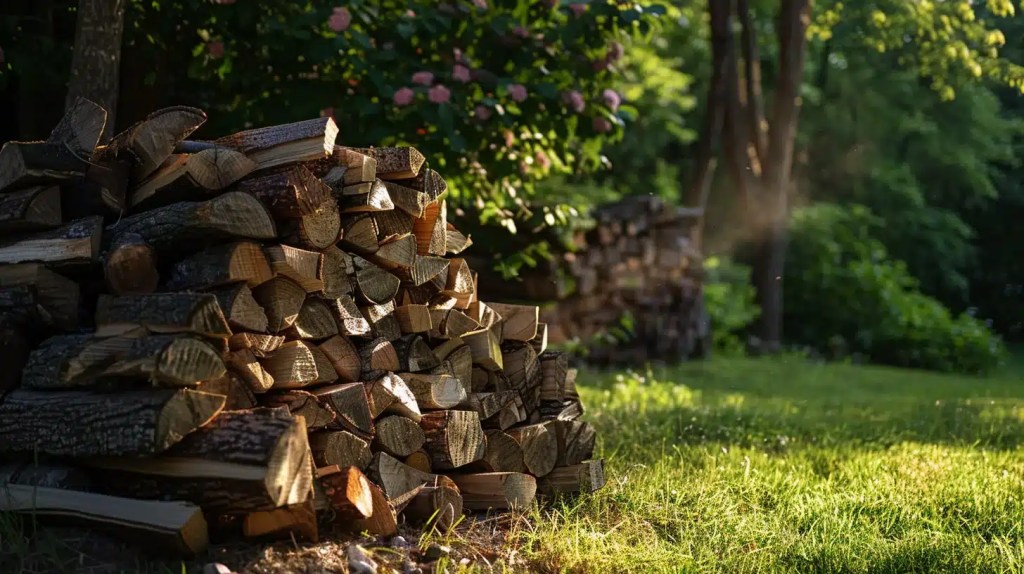
Stacking firewood properly is key to optimizing airflow, which enhances combustion in the best wood fireplace. Positioning logs in a crisscross pattern allows air to circulate freely, reducing smoke and minimizing creosote buildup, thus improving heat output. Using steel racks can further elevate stacked wood off the ground, promoting quicker drying and ensuring that the firewood remains ready for efficient burning at a moment's notice.
Protecting Firewood From Moisture
Protecting firewood from moisture is essential for maintaining its quality and efficiency in burning. Storing wood in locations shielded from rain and snow, while keeping it properly covered, helps prevent moisture buildup that can diminish heat output. For those with deciduous options or eucalyptus logs, implementing a moisture management policy ensures that the wood remains dry, ultimately enhancing performance in the best wood burning fireplace.
Safety Practices for Efficient Burning
Chimney maintenance is vital for achieving efficient burning in the best firewood fireplace, as it prevents dangerous creosote buildup. Safe handling of hardwood and avoiding toxic woods contributes to a healthier atmosphere. Additionally, recognizing chemicals that may be present in mulch or paper can enhance safety during the burning process. Each of these practices ensures a safer and more effective burning experience.
Importance of Chimney Maintenance
Proper chimney maintenance is crucial for achieving optimal performance when burning firewood, especially for those using the longest burning fire logs like oak and hickory. Regular inspections and cleanings reduce the risk of creosote buildup, which can hinder airflow and decrease energy efficiency. Furthermore, neglecting chimney upkeep could lead to hazardous conditions, particularly when burning softwood such as fir, as these types of wood may produce more wood ash that accumulates in the flue and disrupts proper ventilation.
Safe Handling of Firewood
Safe handling of firewood is essential for preventing exposure to mold and ensuring a healthy burning experience. Different species of wood can have varying effects on indoor air quality, making it important to choose the best firewood for an indoor fireplace that is well-seasoned and free from contamination. Individuals should be cautious when stacking or moving firewood sourced from the forest, taking care to wash hands after contact to avoid any potential allergens or irritants that may arise from mold growth on the bark or wood surfaces.
Avoiding Toxic Woods and Chemicals
Avoiding toxic woods and chemicals is vital for achieving a safe and enjoyable firewood experience. For instance, burning wood from trees like black walnut or pecan can introduce unwanted flavors to food and harmful compounds into the air. Additionally, wood that contains high moisture content can foster mold growth, which not only affects the taste of the firewood but may also pose health risks when inhaled. It is advisable to choose seasoned wood fuel free from chemical treatments to ensure both flavorful performance and a cleaner burning experience.
Evaluating Firewood for Cost-Efficiency
Cost-efficiency in firewood evaluation involves comparing prices and availability while considering long-term savings from efficient burning practices. Additionally, environmental impacts related to firewood use must be assessed, particularly regarding species linked to termites and their effects on local ecosystems. Each aspect plays a critical role in selecting the ideal wood for maximizing warmth and satisfaction in a fire pit.
Comparing Prices and Availability
When evaluating firewood for cost-efficiency, comparing prices and availability plays a crucial role. For families using a stove or firebox, the cost per pound of burning wood can vary significantly based on the type of wood, such as Douglas fir versus hardwood options. An informed consumer will consider not only the initial purchase price but also the overall heat output and burn duration of the wood, which impacts long-term savings and comfort during colder months.
Long-Term Savings From Efficient Burning
Long-term savings from efficient burning center around selecting the right firewood, such as cherry or oak, which provide higher heat output and longer burn times compared to softer woods like pine. For instance, utilizing a log splitter to prepare seasoned cherry logs can ensure more uniform sizes, enhancing combustion efficiency and reducing the frequency of replenishing wood. Homeowners in regions like Mexico, where access to quality firewood may vary, can benefit greatly by investing in these dense hardwoods, as they not only minimize tar buildup but also offer substantial savings on heating costs over time.
Environmental Considerations in Firewood Use
When evaluating firewood for cost-efficiency, environmental considerations must not be overlooked. In regions like Wisconsin, selecting the best fire logs involves understanding the impact of burning practices on local ecosystems. For instance, using hardwoods reduces the risk of pests, promoting sustainable practices, while sourcing firewood from responsible suppliers minimizes ecological disruption. This approach not only ensures the best wood for fireplaces but also contributes to cleaner air and healthier communities.
Frequently Asked Questions About Choosing the Best Firewood
What is the best firewood for a fireplace?
When it comes to selecting the best firewood for your fireplace, several factors come into play, including wood type, moisture content, and burn characteristics. Hardwoods are generally considered the best choice for fireplace use, with varieties such as oak, maple, hickory, and cherry standing out due to their density and low moisture content. Hardwoods tend to burn hotter and longer, producing a consistent and steady heat output. This not only enhances the ambiance of your space but also makes for more efficient heating. Additionally, many hardwoods produce less smoke and fewer creosote deposits in your chimney, reducing the risk of chimney fires and making maintenance easier.
When it comes to choosing firewood for your fireplace, ash stands out as a popular option among many homeowners. One of the primary reasons for its appeal is its excellent burning characteristics. Ash firewood is known for its high heat output, which can efficiently warm your home without requiring an excessive amount of wood. Furthermore, it ignites easily and burns steadily, producing a consistent fire that is ideal for both heating and ambiance. Unlike some hardwoods that can produce a lot of smoke and creosote, ash typically burns cleanly, contributing to a safer and more enjoyable fireplace experience.
Is Maple wood the best firewood for a fireplace?
When considering the best firewood for a fireplace, maple is a popular choice among many wood users. This hardwood provides a multitude of benefits, making it a reliable fuel source. One of the primary advantages of maple firewood is its dense structure. Maple burns hot and produces a substantial amount of heat, which is ideal for keeping your home warm during cold winter months. Its high energy content means that it can provide a steady, long-lasting burn, allowing homeowners to enjoy a cozy evening by the fire without constantly needing to add logs.
Is Hickory wood the best firewood for a fireplace?
When considering the best firewood for a fireplace, hickory often stands out as a top contender due to its unique characteristics and benefits. Known for its high density, hickory burns hotter and longer than many other types of firewood, making it an excellent choice for creating a sustained, warm flame. This hardwood not only produces a significant amount of heat, which can help in heating a home more efficiently, but it also burns cleanly with minimal smoke and residue. Consequently, hickory is a favorite among seasoned fireplace enthusiasts looking for both performance and cleanliness in their combustion
Moreover, hickory is celebrated for its rich, distinctive aroma when burned, adding an extra layer of enjoyment to any fire. The pleasant scent enhances not just the atmosphere but also the overall experience, making hickory firewood ideal for cozy evenings with family or gatherings with friends. Additionally, those who enjoy cooking over an open flame often prefer hickory for its flavor profile, imparting a smoky taste to grilled or smoked foods. While hickory is certainly an excellent option, it is essential to source it responsibly and ensure it's seasoned properly for the best burning experience. In conclusion, for those seeking effective heat and a delightful ambiance, hickory is often considered one of the best choices for fireplace firewood.
When it comes to selecting the best firewood for a cozy fireplace experience, cherry wood often tops the list for its unique characteristics and benefits. One of the most notable attributes of cherry wood is its impressive burn quality. It ignites easily and produces a steady, pleasant flame that can provide both warmth and ambiance. Additionally, cherry wood burns relatively slowly, allowing for extended use during chilly evenings. Its moderate heat output is perfect for maintaining a comfortable temperature without overwhelming the space, making it an excellent choice for indoor burning.
Beyond its functional attributes, cherry wood is also favored for its delightful aroma. Burning cherry wood releases a sweet, fruity scent that enhances the experience of gathering around the fire. This aromatic feature can elevate a simple fire into a multisensory experience, making it particularly appealing for gatherings and special occasions. Moreover, cherry wood produces low levels of smoke and minimal creosote buildup, contributing to a cleaner and healthier fireplace environment. Overall, with its combination of quality burning, delightful fragrance, and aesthetic appeal, cherry wood stands out as one of the best choices for an inviting fireplace.
When it comes to choosing the best firewood for a fireplace, oak is often regarded as a top contender. One of the main reasons for this is its high density, which allows it to burn longer and produce a significant amount of heat. Oak hardwood has a low moisture content, particularly when well-seasoned, which means it ignites slowly and maintains a steady burn, providing a consistent and warm flame. Additionally, oak produces minimal smoke compared to softer woods, making it a more environmentally friendly choice. This is particularly advantageous for those living in areas where air quality regulations apply, as less smoke means fewer pollutants.
However, while oak is an excellent option, it does require some upfront commitment. Seasoning oak can take longer compared to other woods, often needing at least six months to a year to dry out completely before use. This extended drying period is crucial to maximize its efficiency and reduce creosote buildup in your chimney. Furthermore, while the initial cost of purchasing seasoned oak might be higher, the efficiency and longevity of its burn can make it a worthy investment over time. Ultimately, for those looking for a reliable, efficient, and flavorful firewood choice, oak stands out as one of the best options available for fireplace use.
When it comes to selecting the best firewood for your fireplace, birch is often a top contender due to its unique properties and performance. For a deeper dive into this species, check out our complete guide on why Birch is good firewood. Birch burns relatively quickly and produces a bright, hot flame, making it an excellent choice for those looking to heat their homes efficiently. Its lower moisture content allows for a cleaner burn, which reduces the amount of smoke and creosote buildup in your chimney, promoting safer and more effective heating. Additionally, birch logs have an appealing, fragrant aroma when burned, creating a cozy atmosphere that's hard to resist.
However, while birch may excel in certain areas, it’s worth considering the specific needs of your fireplace and lifestyle. For instance, birch tends to burn faster than some other hardwoods, which means it may require more frequent replenishing for long-lasting fires. If you prefer an extended burn, woods like oak or hickory might be more suitable, as they produce longer-lasting heat. Ultimately, the choice of firewood comes down to personal preference and usage—birch can be an excellent option for quick, efficient burns, but evaluating your unique needs will help you determine if it truly is the best choice for your fireplace
Conclusion & Final Thoughts: Choosing the Best Firewood for Optimal Burning
Selecting the right firewood is crucial for achieving efficient burning and maximizing heat output. Prioritizing hardwoods like oak and ash ensures longer burn times and cleaner combustions, while understanding moisture content and proper storage techniques enhances overall performance. Regular chimney maintenance and safe handling practices further contribute to a healthier burning environment. By making informed choices regarding firewood, individuals can improve both their heating experiences and environmental impact.
For the best firewood experience, trustBest Burn Firewood to provide kiln-dried, ready-to-burn, safe hardwoods throughout Southeastern Wisconsin. Our premium hardwoods burn hotter, cleaner, and more efficiently—perfect for home heating and outdoor fires. Explore our firewood delivery pricing and hardwood options today:Best Burn Firewood Pricing & Orders. 🔥
Author: Tyler M.
Tyler M is the Co-Founder of Best Burn Firewood in Wisconsin, where he works directly in sourcing, processing, kiln-drying, packaging, and delivering firewood for residential and commercial customers. His writing is based on first-hand experience with wood species performance, moisture control, storage, and burn quality, including how different hardwoods behave in fireplaces, wood stoves, and outdoor fires. Tyler publishes practical guides to help customers choose the right firewood and burn it more safely, cleanly, and efficiently.
best firewoodbest firewood for your fireplacefirewood is the bestwhat is the best firewood to burn
Related Blog Posts
Is Oak Good Firewood? Heat Output, Burn Time & Seasoning Tips
Oak is the go-to firewood for overnight burns and serious home heating — but it carries more moisture than almost any other hardwood, and red oak and white oak don't perform the same. We break down BTU by species, what it actually takes to dry oak properly, real kiln data from our operation, and why restaurants request oak more than any other species.
Is Maple Good Firewood? Heat Output, Burn Time & What to Expect
Maple is one of the most common firewood species in Wisconsin — but sugar maple and silver maple perform very differently. We break down the real BTU numbers by species, how maple burns, seasoning vs kiln-dried, and where maple fits in a mixed hardwood load.
Is Birch Good Firewood? Heat Output, Burn Time, What to Expect
Birch is good firewood for fireplaces and wood stoves, offering high heat and a steady burn. Learn heat output, burn time, and how birch compares to hardwoods.
Safely Transporting Firewood: Key Rules You Must Know
Have you ever considered the type of firewood you use for your fireplace or grill? The quality of your firewood can significantly impact your fire experience, whether it’s the ease of lighting the fire, the longevity and intensity of the burn, or even the aroma produced. Enter kiln-dried firewood, a premium firewood option that guarantees an optimal burn experience for any occasion.
Is Ash Good Firewood to Burn? Discover Its Benefits!
Is ash good firewood to burn? Learn about its benefits, including efficient heat output and low smoke production. A perfect choice for your firewood needs!
Cleaner Fires: Using a Moisture Meter for Firewood
Ensure cleaner, more efficient fires with a moisture meter for firewood. Learn how to choose the right meter to improve your wood-burning experience today!
Wondering how to start a fire with wet wood? Our fire-loving mascot Woody is here to show you the tricks, tools, and tips to turn damp logs into a crackling success. Let’s fire it up... rain or shine.
Why does firewood pop during burning? Firewood pops during burning because moisture and resin trapped inside the wood turn into steam when heated, creating pressure that bursts through cracks. Read the article below, to find out why your firewood is popping!
How Much Firewood Is in a Cord? Essential Facts You Need to Know
Understanding how much firewood is in a cord is essential for making informed purchases, ensuring fair transactions, and maximizing efficiency when using firewood. A full cord measures 4 feet high × 4 feet wide × 8 feet long (128 cubic feet), but factors like stacking method, log size, and wood type can affect the actual burnable volume.
After experiencing firewood deliveries filled with dirt and debris, we now hand-pick and load each order to ensure you receive clean, high-quality wood. This guarantees the exact amount of wood without the extra mess.
Call us at any time of the year, whether it's in the hot summer or freezing winter.
100% kiln dried Wisconsin Firewood for Sale.
Stacking of your firewood delivery upon request
FIREWOOD Delivery To following areas
South Eastern Wisconsin and Waukesha County
Firewood delivery in South Eastern Wisconsin and Waukesha County