How Much Firewood Is in a Cord? Essential Facts You Need to Know
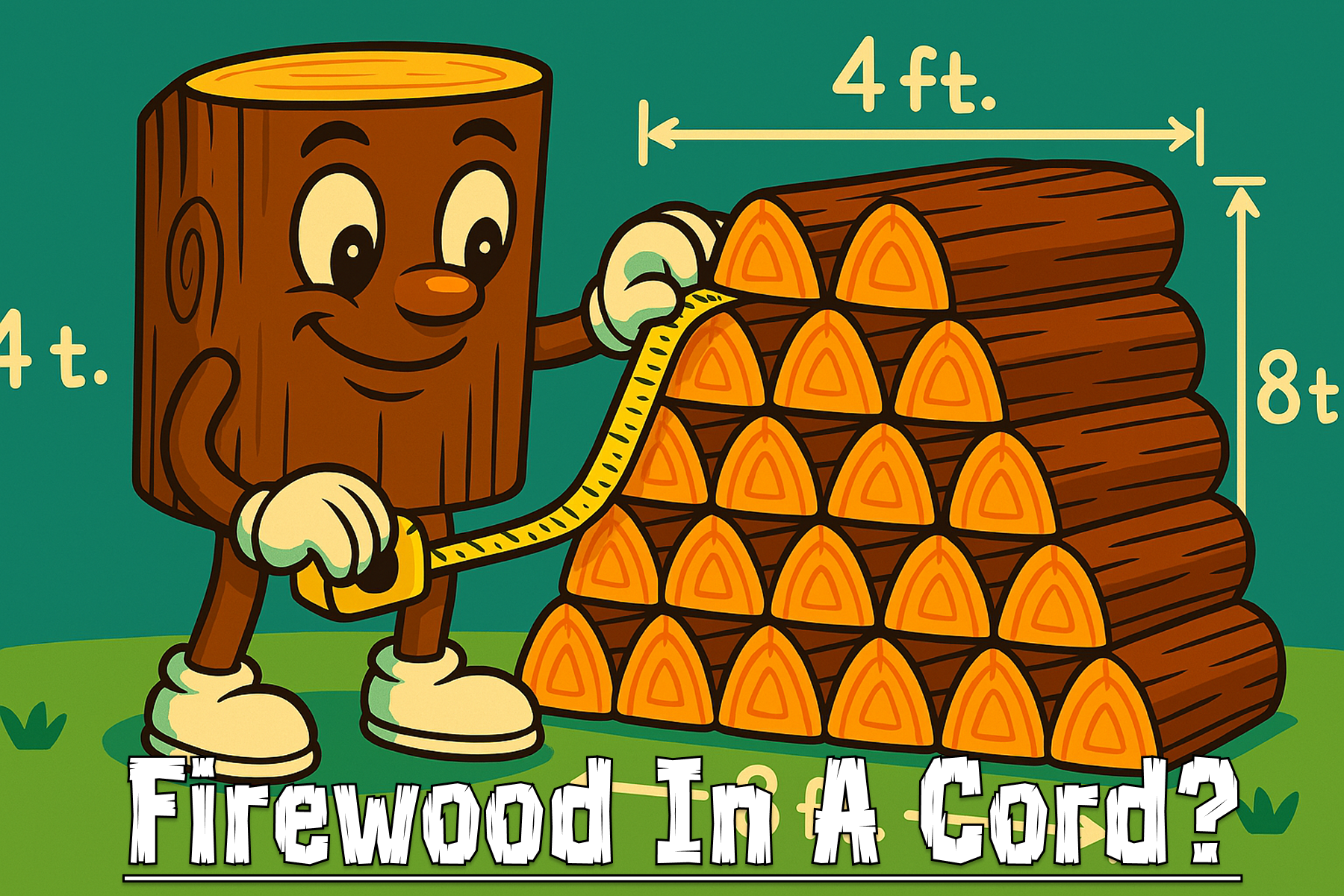
Understanding how much firewood is in a cord is essential for making informed purchases, ensuring fair transactions, and maximizing efficiency when using firewood. A full cord measures 4 feet high × 4 feet wide × 8 feet long (128 cubic feet), but factors like stacking method, log size, and wood type can affect the actual burnable volume.
January 30, 2025
Understanding how much firewood is in a cord is essential for making informed purchases, ensuring fair transactions, and maximizing efficiency when using firewood. A full cord measures 4 feet high × 4 feet wide × 8 feet long (128 cubic feet), but factors like stacking method, log size, and wood type can affect the actual burnable volume.
How Much Firewood Is In A Cord?
Understanding firewood measures is crucial for ensuring you receive the correct volume and dimensions of firewood, which helps prevent overcharges. Here are key points to consider:
Firewood is measured by volume, calculated by multiplying length, width, and height. To measure firewood, it is important to understand that volume is the standard measurement approach, often referred to as wood measurements.
Standard terms to measure how much firewood you have include cord, rick, face cord, and bundle. A cord of firewood is a standardized measure, consisting of specific dimensions totaling 128 cubic feet.
Measurements can vary by country and state; check local regulations before ordering.
A running cord refers to wood stacked parallel to each other.
History and Origin of Firewood Measurements
history of firewood cord measurements
The concept of measuring how much firewood is in a cord dates back to the early days of wood harvesting and trade. The term “cord” originated from the practice of measuring wood by the length of a cord or rope used to tie the wood together. This method ensured a consistent and fair measurement for both buyers and sellers. In the United States, the standard unit of measurement for firewood was established in the late 19th century, defining a cord as 128 cubic feet of wood. This standardization helped to eliminate confusion and discrepancies in firewood trade. Today, this measurement is widely adopted in many countries, including Canada and Australia, ensuring a uniform understanding of firewood volume.
How Much Firewood is in a Cord?
A cord of firewood, also known as cords of wood, measures 4 feet high by 4 feet wide by 8 feet long, equaling 128 cubic feet. Here are some additional details:
A full cord is typically 4 feet wide, 4 feet high, and 8 feet long, meaning it is 4 feet deep.
The volume of a cord is typically 128 cubic feet.
A cord of firewood can contain anywhere from 600 to 800 pieces of wood.
The number of pieces depends on how long vendors cut their logs and different units like face cords, bundles, and cords.
Properly storing cords of firewood is essential to protect it from weather and ensure efficient drying.
Other Firewood Measurements
Face Cord and Half Cord
A half cord is half the volume of a full cord, typically 64 cubic feet.
A face cord is 1/3 of a cord, with the same height and length as a full cord but shorter logs.
A stove cord is a face cord whose logs are 12 inches long.
A bundle typically contains 4-6 pieces of firewood.
The total volume of wood in a bundle ranges from 0.75 to 1 cubic foot.
Understanding the dimensions of a wood stack is crucial for measuring different cord sizes accurately.
Legal Regulations and Standards for Firewood
usda regulates the market for kiln dried firewood and measurements
In the United States, the legal regulations and standards for firewood measurements are governed by the United States Department of Agriculture (USDA) and the National Institute of Standards and Technology (NIST). The USDA defines a cord of wood as 128 cubic feet, providing a clear and consistent measurement for consumers and vendors alike. NIST offers guidelines for measuring and certifying firewood, ensuring accuracy and fairness in the marketplace. Additionally, some states have their own specific regulations and standards for firewood measurements, so it’s essential to check with local authorities to ensure compliance. Understanding these regulations can help you avoid potential legal issues and ensure you receive the correct amount of firewood.
Choosing the Right Amount of Firewood
When choosing firewood, consider your needs:
Residential customers may not need full cords if they don’t use a fireplace as their sole heating source.
Commercial customers may need full cords, depending on usage and storage space.
Full cords usually last a couple of months for commercial customers.
Consider buying a half or one-quarter cord unless you plan to use your fireplace frequently.
Types of Firewood and Their Burning Efficiency
Neatly arranged stack of split firewood perfect for cold winter days
Different types of wood have varying burning efficiencies, which can significantly impact the amount of heat produced and the duration of the burn. Hardwoods, such as oak and maple, are known for their high density and energy content, making them burn more efficiently and produce more heat compared to softwoods like pine and fir. Kiln-dried firewood, which has a moisture content of less than 20%, is particularly efficient as it burns hotter and cleaner than green wood, which contains more moisture. By understanding the type of wood and its burning efficiency, you can make an informed decision that best suits your heating needs and preferences.
How Much Firewood for Specific Needs
For a campfire or bonfire, a couple of bundles should suffice for a two-hour fire; five bundles may be needed for a six-hour fire.
For a fireplace, a face cord of firewood should last a few months if used occasionally.
For the winter, a cord of wood can last up to ten weeks.
Industry standard for cooking wood is typically 18” long.
Environmental Impact of Firewood Use
Environmental Impact of Firewood Use
Firewood can be an eco-friendly heating source when harvested sustainably. However, consider potential negative impacts:
Firewood is renewable and produces fewer greenhouse gases than fossil fuels.
Improperly managed production and transportation can lead to deforestation and habitat destruction.
Burning unseasoned or green wood can cause air pollution. Opt for kiln dried firewood and proper storage to reduce emissions.
Storing and Transporting Firewood
Proper firewood storage is key to efficient burning and reducing heating costs:
Store firewood in a dry location with good airflow.
Season fresh wood by splitting and drying it in a sunny spot.
Keep the driest firewood on top of the stack for easy access.
Ensure firewood is dry and protected from the elements.
Seasoning and Drying Firewood
Seasoning and drying firewood is essential to ensure it burns efficiently and safely. Green wood, which has a high moisture content, can produce less heat and more smoke than seasoned wood, leading to inefficient burning and potential chimney issues. Seasoning involves allowing the wood to dry for several months, either by air-drying in a well-ventilated area or using a kiln for faster results. Kiln-dried firewood is a popular choice due to its high burning efficiency and low moisture content. Proper storage and handling of firewood, such as stacking it off the ground and covering it with a tarp, can also help maintain its quality and burning efficiency.
Safety Tips for Handling Firewood
A person in gloves stacking firewood logs outdoors in daylight
Handling firewood can be hazardous if not done properly. Here are some safety tips to keep in mind:
Always wear gloves and protective clothing when handling firewood to prevent splinters and injuries.
Use proper lifting techniques to avoid straining your back.
Keep firewood away from children and pets to prevent accidents.
Store firewood in a dry, well-ventilated area to prevent moisture buildup and pest infestations.
Use a firewood rack or other elevated structure to keep firewood off the ground and allow for airflow.
Cover firewood with a tarp or other waterproof material to protect it from the elements.
By following these safety tips and understanding the history, regulations, and types of firewood, you can ensure a safe and efficient firewood experience.
Tips for Buying Firewood
Follow these tips to ensure you get the best firewood:
Verify the amount by stacking it yourself.
Companies should allow you to stack the wood before completing the sale.
Be cautious of companies that insist on stacking the wood themselves.
Look for kiln-dried firewood with a moisture content below 20%.
Check measurements and ask about how much wood is included in different units like face cords, bundles, and cords.
FAQ: How Much Firewood Is in a Cord?
1. How much firewood is in a full cord?
A full cord measures 4 feet × 4 feet × 8 feet (128 cubic feet), but actual solid wood content is typically 70–90 cubic feet due to air gaps.
2. What’s the difference between a cord and a face cord?
A full cord is 128 cubic feet, while a face cord has the same height and width (4 feet × 8 feet) but a variable depth, usually 16 inches, making it about one-third of a full cord.
3. How long does a cord of firewood last?
Primary heating: 4–6 cords per winter
Supplemental heating: 2–3 cords per winter
Occasional use: 1 cord per year
4. Which firewood burns the longest?
Hardwoods like oak, hickory, and maple burn hotter and longer than softwoods like pine and fir, making them better for home heating.
5. When is the best time to buy firewood?
Buy in spring or summer for better prices, availability, and seasoning time if purchasing green wood.
6. How do I properly store firewood?
Stack off the ground on pallets or racks
Cover the top, leave sides open for airflow
Store in a sunny, well-ventilated area
7. Can I burn green firewood?
No, green wood has high moisture, leading to less heat, more smoke, and creosote buildup. Always use seasoned or kiln-dried wood with below 20% moisture.
8. How do I know if firewood is seasoned?
Cracks at log ends
Lighter weight
Hollow sound when knocked together
Use a moisture meter (below 20% moisture)
9. Are there legal standards for firewood measurements?
Yes, in the U.S., a cord is legally defined as 128 cubic feet. State laws may vary, so always check local regulations.
10. How can I avoid getting shorted on firewood?
Verify measurements (full cord = 4×4×8 feet)
Buy from reputable suppliers
Avoid vague sales terms like "truckload" or "pile"
Ask the company to explain how much firewood is in a cord, before you buy
By understanding firewood measurements, best buying practices, and proper storage, you can ensure you get the right amount of firewood for efficient and cost-effective burning.
Conclusion: How Much Firewood Is in a Cord?
Understanding how much firewood is in a cord is essential for making informed purchases, ensuring fair transactions, and maximizing efficiency when using firewood. A full cord measures 4 feet high × 4 feet wide × 8 feet long (128 cubic feet), but factors like stacking method, log size, and wood type can affect the actual burnable volume.
To get the best value, always verify firewood measurements, choose seasoned hardwoods for efficient burning, and buy from reputable suppliers who provide accurate volume and quality firewood. Whether you're heating your home, cooking, or using firewood for occasional fires, knowing how much wood is in a cord helps you plan and budget accordingly.
By following the tips in this guide—checking regulations, storing firewood properly, and understanding different firewood measurements—you can confidently purchase the right amount of firewood for your needs. Make sure to buy firewood at the right time of year, store it correctly, and choose sustainable options to reduce environmental impact while keeping your fire burning efficiently all season long.
Interested in learning more information about firewood? Take a look at the rest of Woody's Firewood Information! For the best firewood experience, trustBest Burn Firewood to provide kiln-dried, ready-to-burn, safe hardwoods throughout Southeastern Wisconsin. Our premium hardwoods burn hotter, cleaner, and more efficiently—perfect for home heating and outdoor fires. Explore our firewood delivery pricing and hardwood options today: Best Burn Firewood Pricing & Orders. 🔥
Related Blog Posts
Safely Transporting Firewood: Key Rules You Must Know
Ensure transporting firewood safely with essential rules to know. Learn state regulations and best practices. Keep pests at bay while enjoying your firewood.
Is Ash Good Firewood to Burn? Discover Its Benefits!
Is ash good firewood to burn? Learn about its benefits, including efficient heat output and low smoke production. A perfect choice for your firewood needs!
Cleaner Fires: Using a Moisture Meter for Firewood
Ensure cleaner, more efficient fires with a moisture meter for firewood. Learn how to choose the right meter to improve your wood-burning experience today!
Wondering how to start a fire with wet wood? Our fire-loving mascot Woody is here to show you the tricks, tools, and tips to turn damp logs into a crackling success. Let’s fire it up... rain or shine.
Why does firewood pop during burning? Firewood pops during burning because moisture and resin trapped inside the wood turn into steam when heated, creating pressure that bursts through cracks. Read the article below, to find out why your firewood is popping!
What Firewood Is Best for Burning In Your Fireplace?
From our experience, Oak and Hickory are the best firewood choices for a long-lasting, efficient burn in your fireplace. But every home and fire is different—read our guide below to see which firewood is best for your needs! 🔥
How Much Firewood Is in a Cord? Essential Facts You Need to Know
Understanding how much firewood is in a cord is essential for making informed purchases, ensuring fair transactions, and maximizing efficiency when using firewood. A full cord measures 4 feet high × 4 feet wide × 8 feet long (128 cubic feet), but factors like stacking method, log size, and wood type can affect the actual burnable volume.
Why Should I Choose Kiln Dried Firewood? Learn what Kiln Dried Firewood is, and Why You Need It
Have you ever considered the type of firewood you use for your fireplace or grill? The quality of your firewood can significantly impact your fire experience, whether it’s the ease of lighting the fire, the longevity and intensity of the burn, or even the aroma produced. Enter kiln-dried firewood, a premium firewood option that guarantees an optimal burn experience for any occasion.
Firewood 101: Discover The Best Firewood to Burn for Maximum Heat and Efficiency
Ever wondered why some fires burn brighter, hotter, and longer than others? The secret lies in choosing the best firewood for your specific needs. This comprehensive guide of wood burning tips will help you discover the best firewood to burn, based on their characteristics, ideal uses, and proper preparation to maximize heat, efficiency, and create a cozy atmosphere.
After experiencing firewood deliveries filled with dirt and debris, we now hand-pick and load each order to ensure you receive clean, high-quality wood. This guarantees the exact amount of wood without the extra mess.
Call us at any time of the year, whether it's in the hot summer or freezing winter.
100% kiln dried Wisconsin Firewood for Sale.
Stacking of your firewood delivery upon request
FIREWOOD Delivery To following areas
South Eastern Wisconsin and Waukesha County
Firewood delivery in South Eastern Wisconsin and Waukesha County