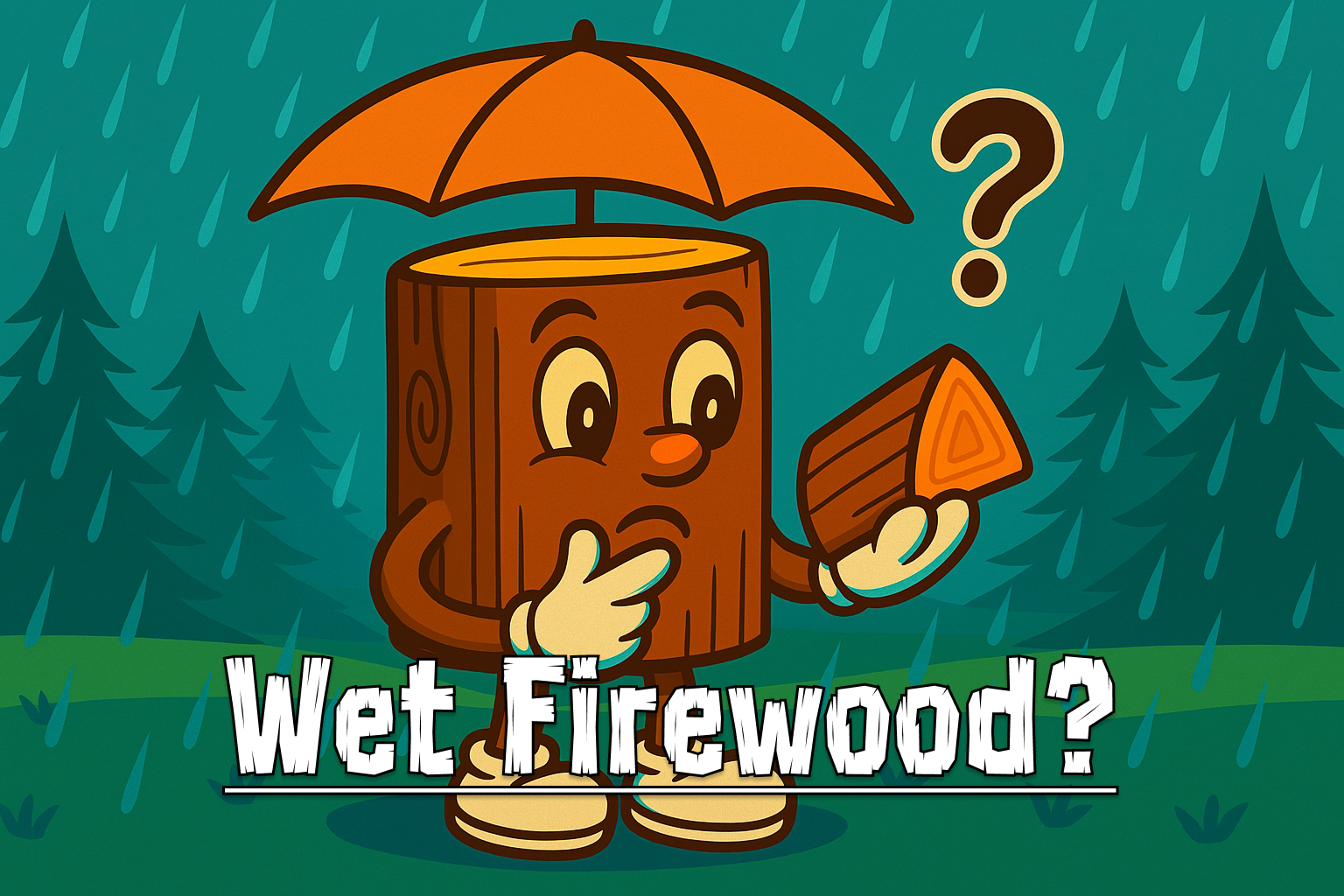
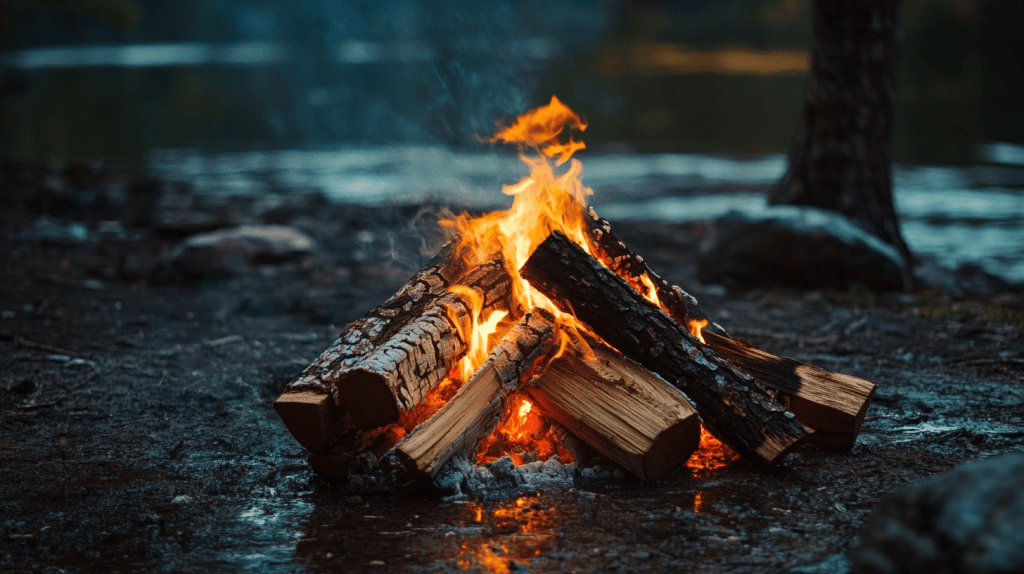
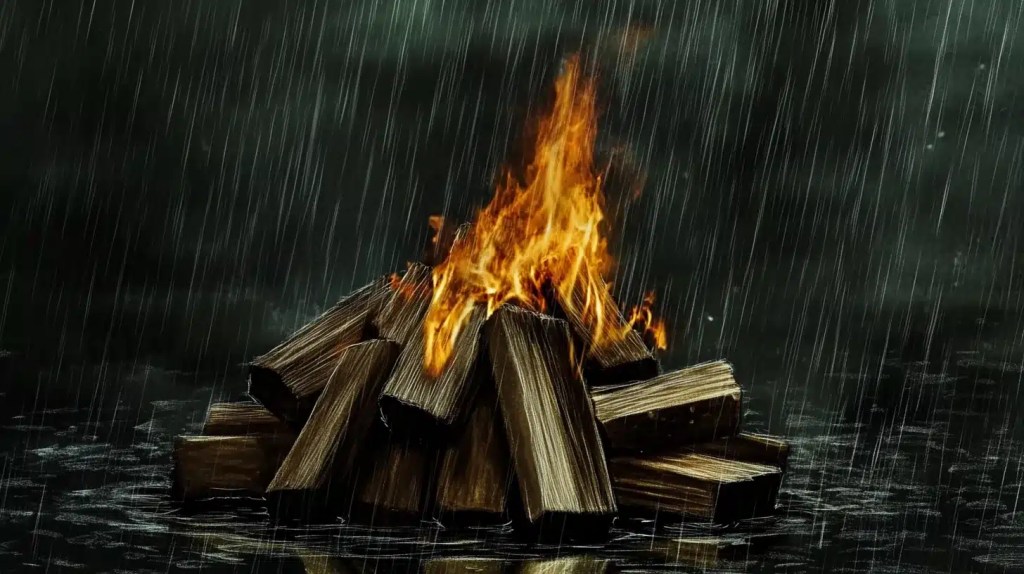
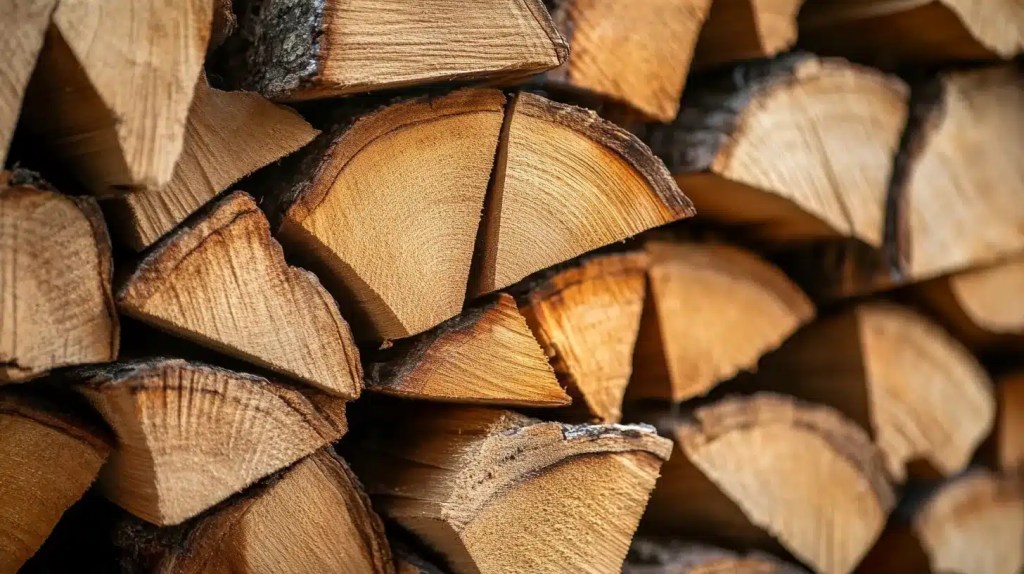
Can you burn seasoned firewood that has gotten wet? The answer is YES. Many people believe that once wood is wet, it’s unusable for burning. This post will clarify how wet conditions impact seasoned firewood, including its burning quality and potential safety risks. You’ll learn practical techniques for burning moist wood and explore alternatives to reduce air pollution caused by smoke. If you've experienced the frustration of wet oak or mixed wood, this guide will provide solutions to this common issue, ensuring you enjoy a safe and effective fire.
Can You Burn Seasoned Firewood That Has Gotten Wet?
Seasoned firewood that has gotten wet can still be burned, but its performance may not be optimal. The moisture content in the wood impacts the combustion process, leading to less heat production and increased smoke. Using seasoned split firewood, for example, often yields better results than burning wet logs.
When assessing whether to use damp wood, consider the condition of the bark and the overall integrity of the log. Wet bark can trap moisture, hindering effective burning. Proper seasoning ensures that the wood has low moisture content, enhancing its efficiency in a steel stove or fireplace, particularly when a good flue is in place.
Wood moisture can also affect creosote buildup within the flue system. Burning wet wood increases the likelihood of creosote accumulation, which poses a risk of chimney fires, making regular maintenance essential for wood-burning appliances. Forestry guidelines suggest ensuring that firewood remains well-seasoned to minimize such hazards.
In conclusion, while it is possible to burn seasoned firewood that has become wet, the results may fall short of expectations. Maximizing the use of properly seasoned, dry wood is advisable for both safety and efficiency. Users should always prioritize the quality of wood used to enhance their burning experience.
Understanding Seasoned Firewood Characteristics
Seasoned Firewood Characteristics
Seasoned firewood is defined by its low moisture content, which typically ranges between 15% to 20%. This characteristic is vital for efficient burning. Freshly cut wood retains high moisture levels that can lead to mold growth, particularly after rain. In this section, insights on the significance of moisture content in various types of wood, especially hardwood, will be explored, along with methods to utilize paper for effective kindling.
What Defines Seasoned Firewood?
Seasoned firewood is recognized for its low moisture content, generally ranging from 15% to 20%. This reduced level of water is essential for effective burning, allowing the wood to ignite easily and produce a consistent heat output. Wood that has been properly seasoned will not only burn more efficiently but also minimize smoke production, which is important for maintaining fire safety in homes.
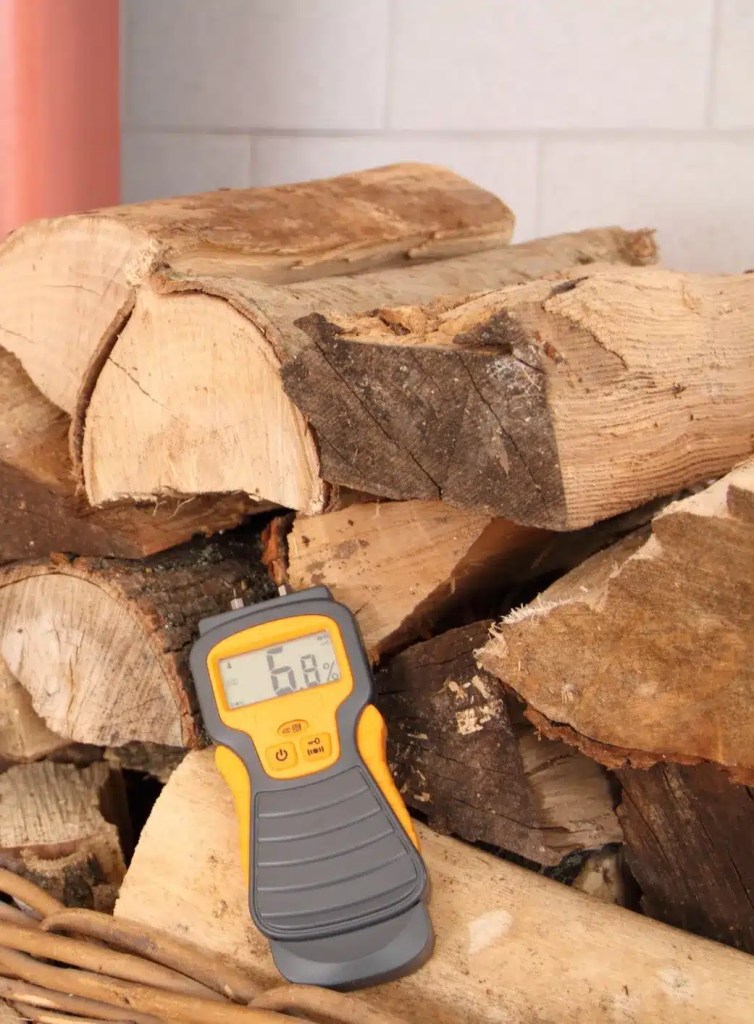
To ensure that firewood is adequately seasoned, many individuals use a moisture meter to measure its water content. This simple tool can help determine if the wood is ready for use, especially after exposure to rain or snow. By prioritizing well-seasoned firewood, users can enhance their burning experience, reduce the risk of excessive smoke and creosote buildup, and ensure that their heating methods remain efficient and safe.
Importance of Moisture Content in Firewood
The moisture content in firewood plays a significant role in its burning efficiency and overall performance. When seasoned wood retains excess moisture, it can hinder heat production, resulting in inadequate warmth and inefficient combustion. Using dry wood, especially kiln dried firewood, ideally with moisture levels at 15% to 20%, ensures that heat output remains strong, allowing users to enjoy a cozy atmosphere in their homes. A reliable way to maintain dry wood is by storing it under a roof or in a covered area, protecting it from rain and snow.
Understanding the importance of moisture content also relates to the maintenance of chimney systems. When wet wood is burned, it creates more smoke, leading to increased creosote buildup that poses fire hazards. Regular inspections by a certified chimney sweep are essential to mitigate these risks. Properly seasoned firewood contributes to safer burning practices, ensuring that exhaust ventilation remains clear and effective, which is crucial for any heating source that resembles an oven in functionality.
How Wet Firewood Affects Burning Quality
How Wet Firewood Affects Burning Quality
Burning seasoned firewood that has absorbed moisture significantly impacts overall performance. When wet, fuel from hardwood stacks can produce less heat than desired, leading to an inefficient fire in a pit or stove. Furthermore, increased smoke and creosote production can occur, raising concerns for safety and maintenance within chimney systems.
This section explores the effects on heat output, highlighting how moisture levels in stacked firewood directly influence burning efficiency. It also addresses smoke and creosote concerns, emphasizing the need for proper wood storage to ensure optimal burning conditions.
Impact on Heat Output
When seasoned firewood absorbs moisture, it affects the heat output significantly. Wet wood struggles to ignite and sustain a high temperature, leading to inefficient burning. For instance, in the wood industry, it is well-known that using dry logs not only generates more heat but also prevents issues associated with chimney fires, which can occur due to improper combustion.
Furthermore, lower heat output from burning damp wood means users may require additional fuel to achieve the desired warmth, increasing costs and possibly relying on products like gasoline or dehumidifiers to manage moisture levels in storage areas. Ensuring the firewood is well-seasoned before use becomes essential for maximizing efficiency, offering a practical approach to utilizing a valuable natural resource effectively.
Smoke and Creosote Production Concerns
When seasoned firewood with high water content is burned, it can result in excessive smoke production. This smoke contains particles that may contribute to ash buildup and can lead to creosote formation within the chimney. Creosote is a flammable residue that poses serious safety risks, requiring regular inspections to prevent chimney fires. Moreover, burning wet wood can lead to releasing invasive species or harmful pollutants into the environment, complicating agriculture practices and affecting outdoor air quality.
Using alternatives like cardboard or firelogs can sometimes mask the issues caused by burning wet seasoned wood. However, these options may not provide the sustainable heat output that traditional firewood offers. It's crucial for wood burners to understand the relationship between water content and smoke production to optimize their heating solutions while ensuring safe and efficient burning practices. Ultimately, prioritizing well-seasoned firewood remains the best strategy for minimizing smoke and creosote risks.
Techniques for Burning Wet Seasoned Firewood
Techniques for Burning Wet Seasoned Firewood
Preparing seasoned firewood that has absorbed moisture for optimal burning is essential for achieving effective results. This section will cover practical tips for enhancing the burning process, such as selecting the right tree cuts and the benefits of using kiln-dried logs. Additionally, insights into managing creosote buildup during this process will ensure safer and more efficient fires.
Preparing the Firewood for Optimal Burning
To prepare seasoned firewood that has absorbed moisture for optimal burning, ensuring a good airflow during combustion is essential. Arranging the logs in a way that allows wind to circulate can help promote efficient igniting and sustaining of the fire. Users should focus on positioning larger pieces on the bottom while placing smaller, drier kindling on top to assist in reaching the necessary temperatures for effective burning.
Another effective technique involves selecting the right types of firewood for a campfire. While seasoned hardwoods are typically preferred, using green wood can be counterproductive as it retains higher moisture content, leading to unsatisfactory burning. Incorporating a combination of dry seasoned logs and lighter, more combustible materials can significantly improve heat production and reduce smoke output, thus enhancing the overall outdoor experience.
Tips for Creating an Efficient Fire
Creating an efficient fire with seasoned firewood that has gotten wet requires careful preparation. Using kiln-dried logs can improve the heat output significantly compared to traditional wet seasoned wood. A well-configured fireplace setup allows for better airflow, essential for overcoming moisture challenges, leading to more effective ignition and sustained flames.
Safety Precautions When Burnings Wet Firewood
Burning wet wood presents several risks, including reduced energy output and increased smoke production. Recognizing dangerous conditions, such as the presence of green wood or excessively high moisture levels, is essential for safe burning in a stove. The following sections highlight precautions for effectively managing these challenges and ensuring that properly seasoned firewood is prioritized for optimal performance.
Risks of Burning Wet Wood
Burning wet wood can pose significant risks due to reduced heat output and increased smoke. When logs retain moisture, they need more energy to ignite, which often results in inefficient combustion and a greater reliance on additional fuel, similar to using a clothes dryer without allowing adequate airflow. This situation can decrease overall efficiency and lead to higher costs for the user, as more wood is required to achieve the desired warmth.
Moreover, burning damp wood increases the likelihood of releasing harmful emissions into the air, potentially affecting local wildlife and the surrounding environment. The excess smoke produced by wet logs can contribute to creosote buildup in chimney systems, creating fire hazards that necessitate regular inspections. Addressing moisture levels in firewood not only enhances the burning experience but also mitigates risks associated with environmental pollution and safety concerns.
How to Recognize Dangerous Conditions
To recognize dangerous conditions when burning seasoned firewood that has absorbed moisture, one must assess the overall environment and wood quality. A key indicator is the presence of excessive moisture, which can be deduced when the wood feels heavy and emits a damp smell. Additionally, if the logs have a significant presence of mold or mushrooms, it indicates that moisture management has not been sufficient, resulting in poor burning conditions.
Monitoring the performance of the fire during burning is essential for identifying risks. If the fire produces a lot of smoke or struggles to maintain a flame, it may signal that the wood contains too much moisture, leading to inefficient combustion akin to burning charcoal wet. Proper evaporation of moisture is necessary to achieve optimal burning conditions, so users should actively check for these signs to ensure a safe and effective fire experience.
Alternatives to Burning Wet Seasoned Firewood
Alternatives to Burning Wet Seasoned Firewood
When seasoned firewood has become damp, it is essential to consider alternatives to ensure effective heating. Best practices for using dry wood can enhance flame production and maintain optimal humidity levels in the chimney. Additionally, other heating options, such as electric or gas heaters, can provide reliable warmth when wood is unusable. These topics will explore practical approaches to achieve efficient heating solutions.
Best Practices for Using Dry Firewood
Using dry firewood is essential for achieving maximum heat and efficiency during burning. Softwood varieties, such as pine and spruce, ignite quickly and produce sufficient heat, making them ideal options for kindling when complemented with well-seasoned hardwood logs. For optimal results, individuals should ensure their firewood is properly stored, maintaining it in a dry and covered space that protects it from moisture.
Additionally, mixing dry softwood with seasoned hardwood can enhance the fire's overall performance. The quick-burning nature of softwood assists in establishing initial flames, while hardwood provides long-lasting heat. Properly preparing the fire by layering larger, seasoned pieces beneath smaller, dry logs can help maintain consistent temperatures and reduce smoke production, leading to a safer and more enjoyable burning experience.
Other Heating Options When Wood Is Unusable
When seasoned firewood becomes unusable due to dampness, individuals can turn to electric heaters or propane heaters as reliable alternatives. Electric heaters provide a consistent and controllable source of warmth, making them suitable for homes needing immediate heat without the hassles of wood-burning appliances. These options are not only efficient but also tend to require less maintenance compared to traditional wood-burning systems.
Another effective solution is to consider natural gas heating options, which offer high efficiency and instant heat without the challenges of managing wood moisture. Many homeowners find that gas logs provide the aesthetic appeal of a fire while avoiding the pitfalls associated with wet wood. Utilizing these alternatives ensures a warm and inviting atmosphere without compromising safety or efficiency.
Frequently Asked Questions About Burning Wet Seasoned Firewood
Can Firewood Get Wet?
Yes, firewood can get wet if exposed to rain, snow, or high humidity. However, if properly stacked and covered, firewood can resist excess moisture and remain usable. Wet firewood takes longer to ignite and may produce more smoke, but it can still be salvaged if dried properly.
Can Seasoned Firewood Get Wet?
Yes, seasoned firewood can get wet if left uncovered. While occasional exposure to rain won’t ruin it, prolonged moisture can cause mold growth, rotting, and difficulty in burning. To prevent this, store seasoned firewood in a dry, ventilated area with a tarp or firewood rack cover.
Can You Burn Wood That Is Not Seasoned?
Technically, you can, but it’s not recommended. Unseasoned (green) wood has a high moisture content, making it hard to ignite and leading to excessive smoke, creosote buildup, and inefficient burning. It’s best to season firewood for 6 to 12 months before burning.
Can You Use Firewood That Has Been Wet?
Yes, firewood that has been wet can still be used, but it needs proper drying. Bring the wood into a warm, dry area or stack it in a way that allows air circulation. Wet firewood should be dried for at least a few days before burning to ensure a cleaner and more efficient fire.
Does Firewood Have to Be Seasoned?
Yes, seasoning firewood is essential for efficient burning. Seasoned firewood has had time to dry, reducing its moisture content to around 15-20%, which allows it to burn hotter, cleaner, and with less smoke. Burning unseasoned wood leads to poor heat output and creosote buildup in chimneys.
Does Seasoned Firewood Burn Longer?
Yes, seasoned firewood burns longer than unseasoned wood because it has lower moisture content, allowing it to combust more efficiently. However, burn time also depends on the wood species—hardwoods like oak and hickory burn longer than softwoods like pine.
Does Seasoned Firewood Need to Be Covered?
Yes, covering seasoned firewood is highly recommended to protect it from rain and snow. However, the cover should allow for proper air circulation to prevent mold and mildew. A firewood rack with a sloped cover or a tarp that covers the top but leaves the sides open is ideal for storage.
Does Seasoned Wood Burn Hotter?
Yes, seasoned wood burns hotter than wet or unseasoned wood because it has less moisture to evaporate. Hardwoods like hickory, oak, and maple burn the hottest, producing more BTUs (British Thermal Units) and providing long-lasting heat.
Does Seasoned Wood Burn Longer?
Yes, properly seasoned hardwood burns longer than softwood because it has higher energy density. Dry firewood with low moisture content burns steadily and produces sustained heat, making it more efficient for heating homes or campfires.
Is It OK to Burn Wet Seasoned Wood?
Burning wet seasoned wood is possible but not ideal. Wet wood produces more smoke, burns inefficiently, and creates excess creosote in chimneys. If you must burn wet wood, dry it near a heat source for a few days or mix it with dry logs to improve combustion.
Would you like any additional FAQs added to this section? 🚀🔥
Conclusion: Burning Wet Seasoned Firewood the Right Way
Burning seasoned firewood that has become wet is possible, but it will impact efficiency and safety. Wet wood produces less heat, increases smoke, and leads to creosote buildup, which poses fire hazards. Prioritizing properly seasoned wood minimizes these risks and enhances the burning experience. Understanding moisture content and implementing best practices for wood storage ultimately supports safer and more effective heating solutions.
For the best firewood experience, trust Best Burn Firewood to provide kiln-dried, ready-to-burn, safe hardwoods throughout Southeastern Wisconsin. Our premium hardwoods burn hotter, cleaner, and more efficiently—perfect for home heating and outdoor fires. Explore our firewood delivery pricing and hardwood options today:Best Burn Firewood Pricing & Orders. 🔥
Tyler M is the Co-Founder of Best Burn Firewood in Wisconsin, where he works directly in sourcing, processing, kiln-drying, packaging, and delivering firewood for residential and commercial customers. His writing is based on first-hand experience with wood species performance, moisture control, storage, and burn quality, including how different hardwoods behave in fireplaces, wood stoves, and outdoor fires. Tyler publishes practical guides to help customers choose the right firewood and burn it more safely, cleanly, and efficiently.
Can You Burn Seasoned Firewood That Has Gotten Wetcan you burn wet firewoodseasoned firewoodseasoned woodwet firewoodwet wood
Related Blog Posts
Is Oak Good Firewood? Heat Output, Burn Time & Seasoning Tips
Oak is the go-to firewood for overnight burns and serious home heating — but it carries more moisture than almost any other hardwood, and red oak and white oak don't perform the same. We break down BTU by species, what it actually takes to dry oak properly, real kiln data from our operation, and why restaurants request oak more than any other species.
Is Maple Good Firewood? Heat Output, Burn Time & What to Expect
Maple is one of the most common firewood species in Wisconsin — but sugar maple and silver maple perform very differently. We break down the real BTU numbers by species, how maple burns, seasoning vs kiln-dried, and where maple fits in a mixed hardwood load.
Is Birch Good Firewood? Heat Output, Burn Time, What to Expect
Birch is good firewood for fireplaces and wood stoves, offering high heat and a steady burn. Learn heat output, burn time, and how birch compares to hardwoods.
Safely Transporting Firewood: Key Rules You Must Know
Have you ever considered the type of firewood you use for your fireplace or grill? The quality of your firewood can significantly impact your fire experience, whether it’s the ease of lighting the fire, the longevity and intensity of the burn, or even the aroma produced. Enter kiln-dried firewood, a premium firewood option that guarantees an optimal burn experience for any occasion.
Is Ash Good Firewood to Burn? Discover Its Benefits!
Is ash good firewood to burn? Learn about its benefits, including efficient heat output and low smoke production. A perfect choice for your firewood needs!
Cleaner Fires: Using a Moisture Meter for Firewood
Ensure cleaner, more efficient fires with a moisture meter for firewood. Learn how to choose the right meter to improve your wood-burning experience today!
Wondering how to start a fire with wet wood? Our fire-loving mascot Woody is here to show you the tricks, tools, and tips to turn damp logs into a crackling success. Let’s fire it up... rain or shine.
Why does firewood pop during burning? Firewood pops during burning because moisture and resin trapped inside the wood turn into steam when heated, creating pressure that bursts through cracks. Read the article below, to find out why your firewood is popping!
What Firewood Is Best for Burning In Your Fireplace?
From our experience, Oak and Hickory are the best firewood choices for a long-lasting, efficient burn in your fireplace. But every home and fire is different—read our guide below to see which firewood is best for your needs! 🔥
How Much Firewood Is in a Cord? Essential Facts You Need to Know
Understanding how much firewood is in a cord is essential for making informed purchases, ensuring fair transactions, and maximizing efficiency when using firewood. A full cord measures 4 feet high × 4 feet wide × 8 feet long (128 cubic feet), but factors like stacking method, log size, and wood type can affect the actual burnable volume.
After experiencing firewood deliveries filled with dirt and debris, we now hand-pick and load each order to ensure you receive clean, high-quality wood. This guarantees the exact amount of wood without the extra mess.
Call us at any time of the year, whether it's in the hot summer or freezing winter.
100% kiln dried Wisconsin Firewood for Sale.
Stacking of your firewood delivery upon request
FIREWOOD Delivery To following areas
South Eastern Wisconsin and Waukesha County
Firewood delivery in South Eastern Wisconsin and Waukesha County