


Shop






Thank You for supporting a local business
We appreciate all of our amazing customers!
We appreciate all of our amazing customers!
Complete species guide with heat output, burn time, and use case recommendations. Find the perfect firewood for your needs.
The best firewood has three qualities: high heat output (BTU), long burn time, and low moisture content. Hardwoods like oak, hickory, and maple excel in all three categories, making them ideal for wood stoves and fireplaces. Species choice depends on your use case—cooking requires different wood than overnight heating.
Everything you need to know about each firewood species—from heat output to seasoning time.
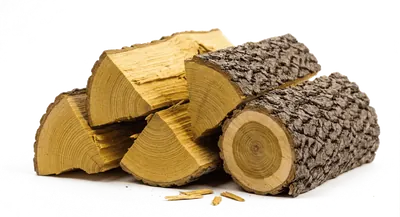
The hottest burning firewood when you need maximum heat
Black locust delivers the highest heat output of any common firewood species, producing long-lasting coals that rival coal itself. It seasons faster than most premium hardwoods and splits cleanly.

Premium choice for serious wood heat and all-night burns
Hickory is a premium hardwood prized for its intense heat and long burn time. Dense and heavy, it creates excellent coals for maintaining overnight fires in wood stoves.
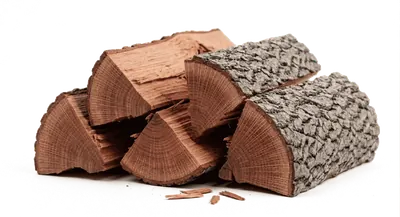
The most trusted all-around firewood choice
Oak is the gold standard for firewood, offering high heat output, long burn times, and excellent coals. It’s versatile enough for any wood-burning application.
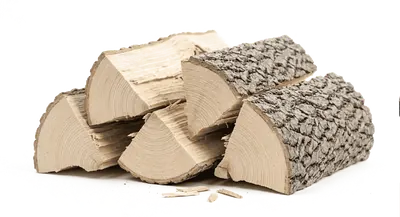
Best beginner firewood with easy processing
Ash splits easily and seasons quickly, making it beginner-friendly. It burns clean with good heat output and can even be burned green in emergencies.
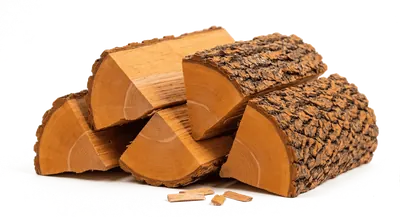
Reliable heat producer with a pleasant burning aroma
Hard maple provides strong, steady heat with long-lasting coals. It’s widely available in the Midwest and performs well in fireplaces and wood stoves alike.
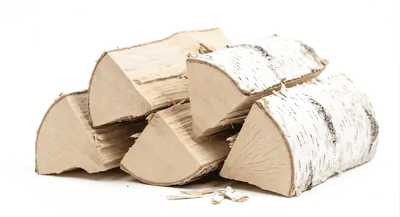
Fast-starting fire with signature bark kindling
Birch lights easily and burns with a bright, lively flame. Its papery bark is a natural fire starter. Burns faster than denser hardwoods, so it’s best mixed or used for shorter fires.

Fragrant cooking wood with a beautiful flame
Cherry is prized for its pleasant aroma and clean burn. While its heat output is moderate, it excels in cooking applications and creates an inviting atmosphere in open fireplaces.
Usable but not preferred due to potential odor
Walnut burns with medium heat and is easy to split and season. Some users report a strong or unpleasant odor when burning, so it’s often mixed with other woods.
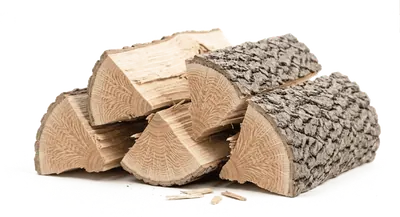
Decent heat but notoriously difficult to split
Elm produces moderate heat and burns reasonably well once seasoned. Its interlocking grain makes it one of the hardest firewood species to split by hand, but a hydraulic splitter handles it fine.

Lightweight hardwood for quick shoulder-season fires
Sycamore is easy to split and seasons in about a year. It burns faster than denser hardwoods and produces less heat, making it better suited for mild weather fires or mixing.
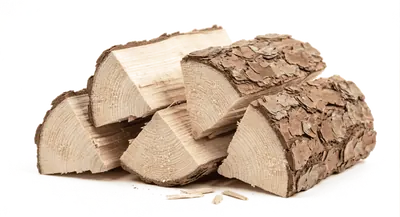
Fast-lighting softwood best used as kindling
Pine ignites quickly and seasons fast, making it effective kindling and fire-starting material. Its high resin content creates significant creosote buildup in chimneys.

Aromatic fire-starter that ignites instantly
Cedar is lightweight, seasons rapidly, and lights with almost no effort. Its natural oils produce a pleasant aroma and fast flame. Low BTU and aggressive sparking limit it to fire-starting duties.

Quick-burning softwood for mild weather or mixing
Poplar is light, easy to process, and seasons quickly. It burns fast with low heat output. Works well mixed with denser hardwoods.
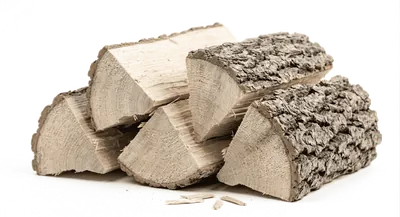
Last-resort firewood when nothing better is available
Cottonwood is soft, light, and burns quickly with minimal heat. It produces poor coals and can smell unpleasant. Only use when better options are not accessible.
All firewood must be properly seasoned to achieve the performance characteristics listed above. Moisture content below 20% is essential for clean burning, maximum heat output, and minimal creosote buildup. Storage conditions and climate significantly impact seasoning time.
BTU (British Thermal Unit) is a simple way to compare the heat potential of different firewood species. In general, denser hardwoods like oak, hickory, and black locust produce more heat and longer-lasting coals than lighter woods. That makes BTU helpful when choosing firewood for wood stoves, home heating, and longer burns.
BTU is useful, but it is only part of the story. Real-world firewood performance also depends on moisture content, split size, airflow, and whether you are burning in a fireplace, wood stove, or outdoor setup. A high-BTU wood that is too wet can burn poorly, create more smoke, and waste heat.
Use the BTU chart below for quick heat-output comparisons, then use the species comparison table below it for a broader view of burn time, coal quality, splitting ease, and seasoning speed.
All BTU values assume properly seasoned wood (below 20% moisture). Wet or green wood can lose 50% or more of its heat potential to evaporating water, dramatically reducing performance regardless of species.
| Wood Species | BTU per Cord | Wood Density | Heat Rating |
|---|---|---|---|
| Black Locust | 27.9 million | Very Dense | |
| Hickory | 27.7 million | Very Dense | |
| Oak (White) | 26.4 million | Dense | |
| Oak (Red) | 24.6 million | Dense | |
| Ash | 23.6 million | Dense | |
| Maple (Hard) | 23.9 million | Dense | |
| Birch (Yellow) | 21.8 million | Medium-Dense | |
| Cherry | 20.4 million | Medium-Dense | |
| Walnut | 22.2 million | Medium-Dense | |
| Elm | 20.0 million | Medium-Dense | |
| Sycamore | 19.5 million | Medium | |
| Pine | 17.1 million | Light | |
| Cedar | 12.6 million | Light | |
| Poplar | 13.7 million | Light | |
| Cottonwood | 13.5 million | Light |
Different heating and cooking needs call for different wood species. Choose the right firewood based on how you'll use it.
Heat output varies by species. High-heat woods like oak, hickory, and black locust provide maximum warmth for heating. Medium-heat woods like maple and ash offer balanced performance for most uses. Lower-heat softwoods like pine ignite quickly but burn faster. Actual heat depends on moisture content—always burn properly seasoned wood for best results.
Low smoke production with pleasant aroma. Burns clean and creates an inviting ambiance without overwhelming heat.
Dense hardwoods that maximize heat efficiency. Long burn times mean fewer refills and consistent warmth throughout your home.
Low sparking species ensure safety around guests. Moderate smoke and attractive flame patterns create perfect outdoor atmosphere.
Clean-burning hardwoods with distinct flavor profiles. Hickory adds bold smoke flavor, while fruit woods like cherry provide subtle sweetness.

Explore burn time, seasoning requirements, BTU output, splitting difficulty, and expert recommendations for every wood type we cover.
Our climate demands specific firewood practices. Here's what you need to know for proper storage, seasoning, and burning in Wisconsin winters.
Southeast Wisconsin's humid summers and freezing winters affect drying time. Most hardwoods need 12-18 months of air-drying in our climate.
Wisconsin winters demand proper firewood storage to maintain quality and accessibility.
Our sub-zero winters require high-BTU hardwoods for efficient heating.
Properly seasoned firewood should be below 20% moisture for clean, efficient burning.
Practical answers about choosing, seasoning, and burning firewood from Wisconsin firewood experts.
Skip the guesswork and get kiln-dried firewood delivered to your Southeast Wisconsin home. Guaranteed low moisture, clean burning, and ready to use.



